
Every hot water system fails eventually. The question we get asked most across Ipswich, Springfield and Brisbane’s western suburbs isn’t if but which system to install next: electric, solar or heat pump.
The honest answer depends on your roof, your household size, and how much you want to spend now versus save later. We’ve fitted and repaired all three types across the region for more than three decades, and each one earns its place on the right property.
This guide breaks down what each system does, what it costs to run, and what tends to fail first, so you’re not making the call with a dead tank dripping in the background.
Have a look at what Assure Fix Plumbing covers across the region, or call 1300 852 837 if you’d rather just talk it through.
How electric, solar and heat pump systems actually work
Electric systems heat water with an element sitting inside a storage tank, much like a kettle just slower and on a bigger scale. Solar systems use rooftop collectors to heat the water directly, backed up by an electric or gas booster for cloudy runs. Heat pump systems don’t generate heat at all.
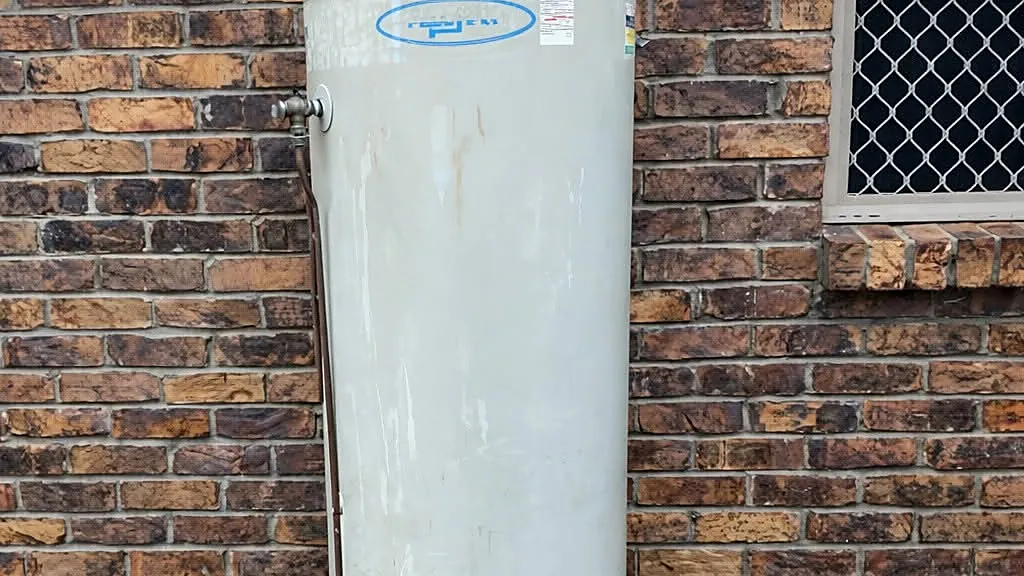
They pull warmth out of the surrounding air and transfer it into the tank, the same basic principle as a fridge working in reverse. That difference in mechanism is the reason running costs vary so much between the three, even though the tank sitting outside your laundry can look almost identical.
Electric vs solar vs heat pump hot water system: upfront cost and installation
Electric is the cheapest to install and the quickest to fit, which is why builders default to it in new homes across Springfield.
A straightforward electric swap in Ipswich usually costs well under what a solar or heat pump changeover runs once you add the extra parts and labour. Solar needs roof space facing the right direction, plus collectors, brackets and often a second trip up the ladder, so installation costs sit higher again.
Heat pump units cost more than electric but generally less than solar, and they don’t touch the roof at all. They just need a spot on the ground or against a wall with decent airflow, which suits plenty of Brisbane West blocks where the roof is already covered in electricity-generating solar panels.
Running costs from month to month
This is where the real difference shows up on the power bill. A standard electric system heating water for a family of four is often one of the biggest single loads on a household’s electricity account, particularly if it’s set to heat during the day on a normal tariff instead of a controlled off-peak one.
Solar cuts that cost close to zero for most of the year because the sun is doing the heavy lifting, though the electric booster still switches on through winter and on stretches of grey weather.
Heat pump systems sit in the middle. They use a fraction of the power an electric element draws for the same volume of hot water, since they’re moving existing heat rather than manufacturing it, but they still pull power every day rather than relying on free sunshine.
What tends to go wrong with each type
Electric systems are usually straightforward once something fails. The element has burnt through, the thermostat has dropped out, or the tank has rusted through at the base after years of quiet corrosion. We see a lot of dead elements in older Ipswich homes running on mineral-heavy water.
Solar systems bring extra points of failure, mostly around the roof plumbing: a cracked collector, a circulating pump that’s given up, or a booster that’s stopped kicking in when it should. Heat pump units are more mechanical again, closer cousins to an air conditioner than a hot water tank, and the most common callout we get is a compressor or fan issue rather than anything wrong with the storage tank itself.
If your unit has started grinding or clicking and it wasn’t doing that a year ago, get it looked at before it fails outright. That’s exactly the kind of job our hot water system repairs team handles most weeks.
Rebates worth checking before you decide
Solar hot water and eligible heat pump systems can attract small-scale technology certificates, a federal rebate scheme that reduces the upfront cost depending on your postcode and the system’s size.
The Clean Energy Regulator is the government body that runs the scheme, and its page on solar water heater and air source heat pump eligibility sets out exactly which models qualify. It’s worth checking before you sign anything, because the certificate value shifts and not every installer passes the saving on the same way.
Space, positioning and what the rules actually say
Where you’re allowed to put a hot water system isn’t just a matter of preference. Queensland has clearance rules covering distance from windows, boundaries and eaves that apply no matter which type you install.
Business Queensland is the government agency that publishes these standards, and its guidance on hot water system and tempering valve requirements is the one our licensed plumbers check before quoting, because it’s a common reason a simple swap turns into a bigger job once someone measures properly.
Which system actually suits Ipswich and Brisbane homes
There’s no single right answer here, and anyone claiming otherwise is guessing without seeing your roof. Established Ipswich homes with older wiring and no north-facing roof space tend to do well with electric or heat pump. Newer Springfield builds with good orientation are often solid candidates for solar.
Brisbane West homes with rooftop solar panels already claiming the best roof space usually land on heat pump, since it works from ground or wall space instead of competing for the roof. We walk through this on site rather than over the phone, because the right call depends on things a photo can’t show, like which way your roof actually faces and how the existing pipework runs through the wall.
If your current system is past eight years old and starting to make noise, get it looked at before it fails on a Sunday night. Book a time through our contact page or call 1300 852 837, and we’ll give you upfront pricing before anyone touches a spanner.
Common questions about electric, solar and heat pump hot water systems
Is a heat pump hot water system worth the extra cost over electric?
Yes, for most households running hot water daily. The lower running cost usually makes up the price difference within a few years, and after that you’re saving on every bill that follows.
Can I switch from electric to solar without major plumbing work?
Usually yes, provided your roof has suitable space and the right orientation. The main extra work is running pipework up to the collector, which our team can quote properly on site rather than guessing from a photo.
Do heat pump hot water systems still work in winter?
Yes. They keep pulling heat from the air even on cold mornings, though efficiency drops slightly compared to warmer months. A Brisbane winter isn’t cold enough to stop them working reliably.
How long do electric hot water systems typically last?
Most last between eight and twelve years before the tank or element needs replacing, though water quality and household usage shift that range in either direction.
Is solar hot water still worth it if I already have solar power panels?
Only if you have spare roof space, since solar hot water collectors and electricity panels compete for the same north-facing area. A heat pump is usually the better fit once that space is already taken.