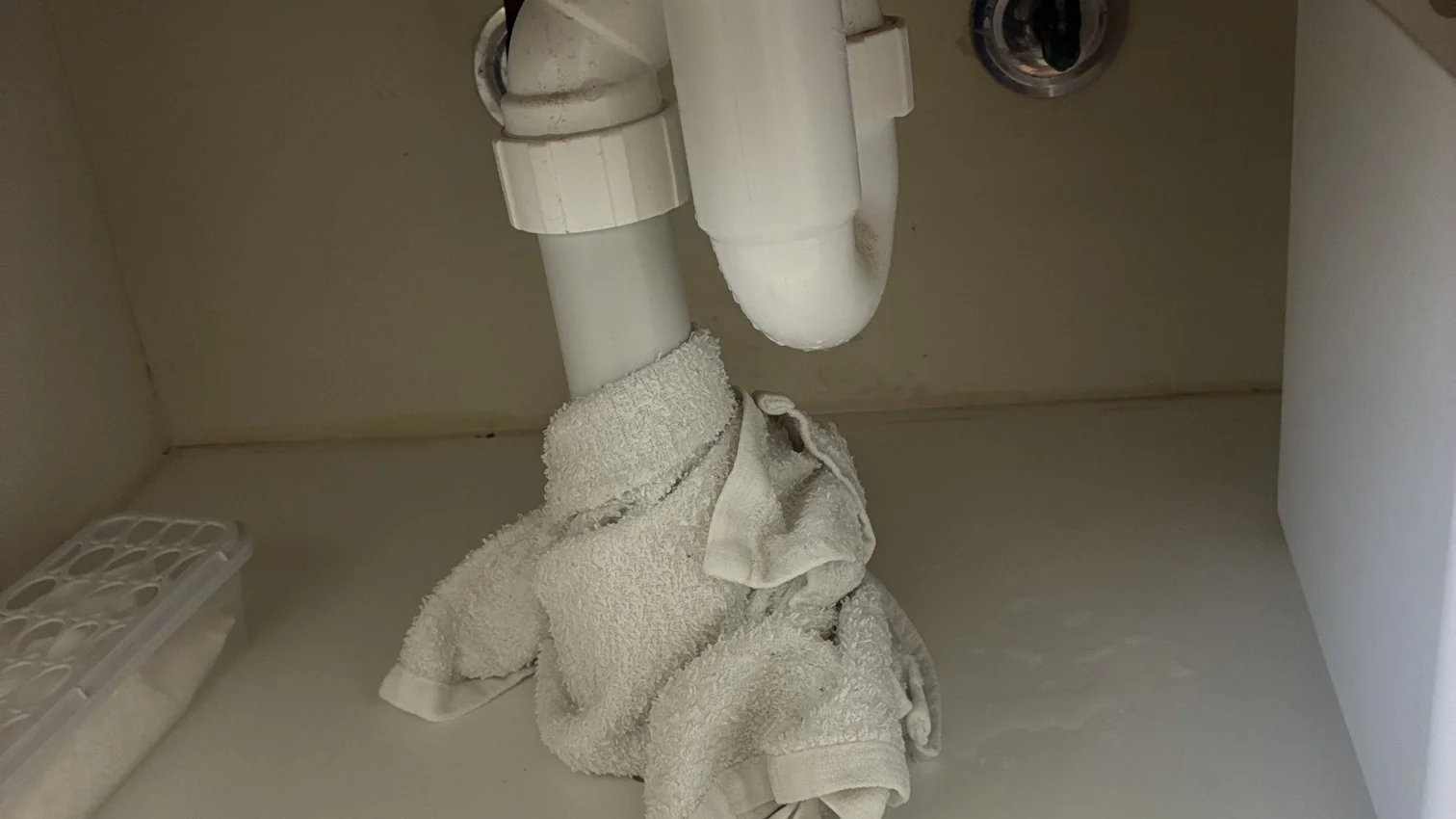
Many homeowners try DIY plumbing because it feels quick and cost-effective. But what looks like a simple fix can quickly lead to hidden water damage, repeat repairs, and higher long-term costs.
Plumbing systems run behind walls, beneath floors, and underground, so a surface-level repair can appear successful while leaks or pressure issues continue quietly in the background.
Early guidance from experienced local plumbers can prevent small problems from turning into major structural damage or emergency call-outs.
At Assure Fix Plumbing, we support homeowners across Brisbane West, Ipswich, and Greater Springfield every day with fast, professional service and transparent pricing.
As a local, owner-led business, our focus is inspection first. We assess the full system, explain what we find in plain language, and remain accountable through the repair. This approach gives homeowners clarity and confidence.
Below are the most common DIY plumbing mistakes we see in Brisbane homes, and why they often lead to bigger repairs if left unchecked.
1. Using Chemical Drain Cleaners for Ongoing Blockages
Blocked sinks and showers are among the most common plumbing issues in Australian homes. Chemical drain cleaners are often the first solution people reach for because they promise fast results.
While they may temporarily clear surface debris, these products aggressively break down organic matter. With repeated use, they can weaken pipe walls and joints, particularly in older plumbing systems.
In homes we inspect, this often shows up as:
- Pipes softened by repeated chemical exposure
- Joints that fail well after the blockage clears
- Debris pushed further down the drain line
Australian household chemical safety guidelines explain how repeated exposure to harsh drain cleaners can damage pipes, seals, and surrounding infrastructure over time.
Choosing professional blocked drain services in Ipswich and Brisbane West ensures the blockage is properly cleared while protecting the condition of your pipework.
2. Overtightening Fittings
When a fitting leaks, many homeowners assume tightening it harder will solve the problem. Plumbing fittings are designed to seal through compression, not force.
Excessive tightening commonly leads to:
- Stripped threads that no longer seal
- Cracked plastic fittings
- Misshapen compression rings
These faults often result in leaks returning later, sometimes after water has already affected cabinetry, flooring, or internal walls.
National plumbing standards, including the Plumbing Code of Australia, emphasise proper sealing techniques rather than excessive force when tightening fittings.
Our licensed plumbers carefully assess washers, fittings, and pipe alignment to ensure repairs last without introducing new issues.
3. Mixing Incompatible Pipe Materials
DIY repairs sometimes involve joining pipe materials without considering compatibility. Certain metals and materials react poorly when connected directly, leading to corrosion and weakened joints over time.
During inspections, we frequently uncover:
- Corroded joins at transition points
- Improvised connections that fail under normal pressure
- Slow leaks hidden inside walls
As your trusted local plumber, our role is to assess material transitions properly and install approved fittings that prevent long-term damage.
4. Ignoring Small Leaks
Small leaks often appear harmless, especially when they are intermittent. The issue is that even minor moisture exposure can damage building materials over time.
In many homes, we find:
- Cabinet panels beginning to swell
- Flooring starting to warp
- Fittings corroding from constant moisture
- Hidden mould growth behind walls
Early detection through routine plumbing maintenance and inspections helps prevent these issues from becoming costly structural repairs.
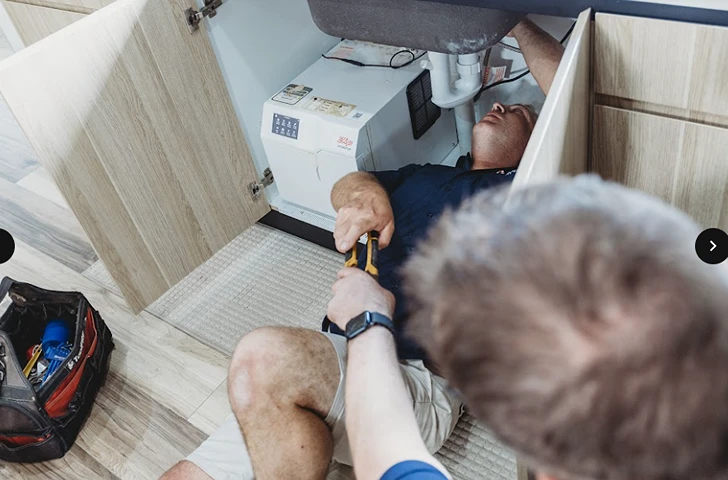
5. DIY Hot Water System Repairs
Hot water systems combine electricity, gas, water pressure, and temperature controls. Even small DIY adjustments can affect how safely the system operates.
Our licensed plumbers inspect valves, pressure relief systems, and overall unit condition to ensure safe operation. If you’re unsure about your unit, a professional hot water system inspection or replacement assessment can prevent unexpected breakdowns and safety risks.
We explain what has failed, why it happened, and what will keep your system running reliably for years to come.
6. Using Drains as Disposal Units
Many plumbing blockages begin with everyday disposal habits. Toilets and drains are designed for water and human waste only.
Our drainage specialists regularly remove:
- Wet wipes
- Cooking fats and oils
- Sanitary products
- Food scraps
Professional clearing restores normal flow and reduces the risk of recurring blockages that DIY methods often fail to resolve fully.
7. Skipping a Proper Plumbing Inspection
Plumbing problems rarely exist in isolation. Fixing a visible symptom without inspecting the broader system can leave underlying faults undetected.
A professional plumbing inspection reviews pipe condition, drainage performance, fittings, and overall system health, helping prevent repeat issues and unnecessary expenses.
As a local, owner-led business, we prioritise understanding your entire plumbing system. We clearly explain our findings and only recommend work where it adds real value.

Taking the Next Step to Protect Your Plumbing System
DIY plumbing often starts with good intentions. However, lasting results come from understanding how the system works as a whole.
If you’re unsure whether a DIY plumbing fix has solved the real issue, the safest next step is a professional inspection.
Book a plumbing inspection with Assure Fix Plumbing today and receive clear, honest advice from a licensed local team. We’ll explain exactly what’s happening, outline your options, and provide upfront pricing before any work begins.
Plumbing Done Right.