Most plumbing emergencies do not happen without warning. They usually begin as small, hidden issues that quietly worsen over time. A slow drain, a minor leak, fluctuating water pressure, or ageing pipework can cause damage long before it becomes obvious.
Routine plumbing maintenance is designed to catch these problems early. It helps protect your home, reduce repair costs, and keep your plumbing system operating safely and efficiently throughout the year.
If you have ever wondered what actually happens during a routine plumbing maintenance service, or whether it is worth doing, this guide explains exactly what to expect and why preventative plumbing care is one of the smartest investments you can make in your property.
Why Routine Plumbing Maintenance Is Important
Your plumbing system works every day. Pipes, drains, valves, and fixtures are constantly exposed to pressure, temperature changes, and regular wear. Over time, even high-quality plumbing components can deteriorate.
Routine plumbing maintenance helps:
- Prevent unexpected breakdowns
- Reduce the risk of water damage and mould
- Extend the lifespan of pipes and fixtures
- Improve water efficiency
- Avoid expensive emergency call-outs
In Queensland, maintenance is particularly important due to heavy rain, reactive soil conditions, tree root growth, and older plumbing infrastructure in many suburbs.
Routine plumbing maintenance is most effective when carried out by professional plumbing experts who understand how local conditions affect plumbing systems over time.
What a Routine Plumbing Maintenance Service Involves
A proper maintenance service is more than a quick inspection. It is a structured assessment of your plumbing system with a focus on prevention, safety, and long-term reliability.
A professional approach to plumbing maintenance services focuses on identifying early warning signs and addressing small issues before they escalate.
While the exact scope can vary depending on the property, most routine maintenance services include the following key areas.
Initial Discussion and Property Assessment
Every quality maintenance service begins with communication. Your plumber will ask questions to understand your property and any existing concerns.
This may include:
- The age of the home or building
- Previous plumbing issues or repairs
- Water pressure concerns
- Drainage problems
- Hot water system performance
- Signs of leaks, dampness, or unusual smells
This information helps guide the inspection and ensures high-risk areas are not overlooked.
Inspection of Taps, Toilets, and Fixtures
Plumbing fixtures are among the most frequently used components in your home and often show early signs of wear.
During maintenance, your plumber will inspect:
- Kitchen and bathroom taps
- Mixers and spouts
- Toilets and cisterns
- Showers and baths
- Laundry connections
They check for leaks, corrosion, loose fittings, inefficient flow, and worn components such as washers and seals. Even minor drips are important, as they can indicate underlying problems and lead to unnecessary water waste.
Leak Detection and Pipework Checks
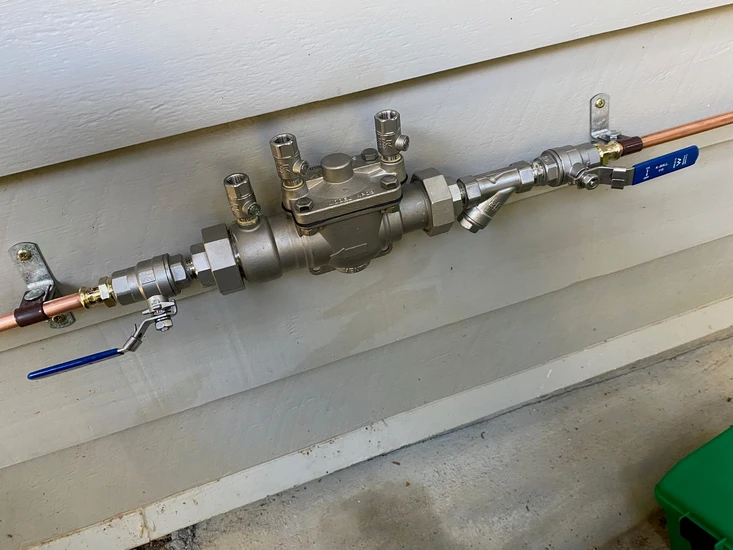
Not all leaks are obvious. Many occur behind walls, under floors, or underground.
A routine plumbing maintenance service includes:
- Inspecting visible pipework for corrosion or moisture
- Checking joints and connections
- Identifying signs of hidden leaks such as mould or damp patches
- Assessing early pipe deterioration
Early leak detection protects your home from structural damage and avoids costly repairs later.
Water Pressure Testing and Regulation
Incorrect water pressure is one of the most common causes of plumbing damage. Pressure that is too high can shorten the lifespan of pipes, appliances, and fixtures.
Your plumber will assess:
- Incoming water pressure
- Pressure at key fixtures
- Operation of pressure limiting valves
Correct water pressure improves system performance and reduces long-term wear.
Drain and Waste System Assessment
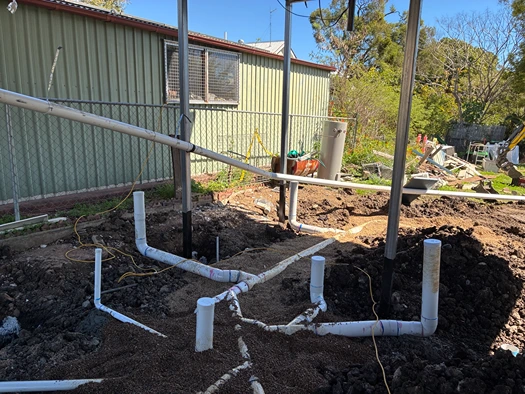
Blocked drains rarely happen overnight. They usually develop gradually as grease, debris, soap residue, or tree roots build up inside pipes.
As part of routine plumbing maintenance, drains are assessed for:
- Slow drainage
- Gurgling noises
- Persistent odours
- Early signs of blockage or backflow
Many emergency call-outs begin as partially restricted pipes, which is why early checks help prevent full blocked drains and sewage backups.
Sewer Line and Overflow Relief Gully Inspection
Many Queensland homes have an overflow relief gully designed to release sewage safely if the sewer line becomes blocked.
During maintenance, your plumber will:
- Ensure the overflow relief gully is visible and clear
- Check surrounding ground levels
- Confirm compliance with current plumbing standards
This step is critical for preventing sewage from backing up into the home during heavy rain or sewer blockages.
Hot Water System Inspection
Hot water systems work hard every day and are often overlooked until they fail.
Routine maintenance typically includes:
- Inspecting valves and pipe connections
- Checking temperature and pressure relief valves
- Looking for corrosion or leaks
- Assessing overall system condition
Regular inspections help extend the lifespan of hot water systems and reduce the risk of sudden failure during peak usage periods.
Outdoor Plumbing and Stormwater Checks
Outdoor plumbing plays a major role in protecting your property from flooding and water damage.
Your plumber may inspect:
- Outdoor taps and exposed pipes
- Irrigation connections
- Stormwater drains and grates
- Downpipes and water flow direction
Identifying issues early helps prevent erosion, water pooling, and foundation damage.
Minor Repairs and Preventative Adjustments
One of the key benefits of routine plumbing maintenance is that many small issues can be resolved immediately.
This may include:
- Replacing worn washers
- Tightening loose fittings
- Adjusting water pressure
- Clearing minor blockages
For homeowners planning a bathroom renovation, maintenance inspections often highlight outdated pipework or drainage issues that should be addressed before renovation work begins.
Clear Reporting and Honest Recommendations
A professional plumbing maintenance service should always conclude with clear communication.
You should receive:
- A summary of what was inspected
- Identification of any current or potential issues
- Honest recommendations for repairs or upgrades
- Advice on future maintenance scheduling
At Assure Fix Plumbing, the focus is on long-term solutions and transparent advice, not unnecessary work.
How Often Should Plumbing Maintenance Be Done?
For most residential properties, an annual plumbing maintenance service is recommended.
More frequent inspections may be needed if:
- The property is older
- Large trees are near underground pipes
- You manage rental or commercial properties
- There have been recurring plumbing issues
A licensed plumber can recommend a schedule that suits your property and usage.
What Sets Assure Fix Plumbing Apart
Not all plumbing maintenance services are the same. Experience, local knowledge, and attention to detail make a significant difference.
Assure Fix Plumbing is a family-owned business with over 30 years of industry experience. We are fully licensed and insured, and we understand the plumbing challenges faced by homes and businesses across Brisbane West, Ipswich, and Greater Springfield.
What sets us apart:
- Strong local knowledge and practical advice
- Transparent communication and upfront pricing
- Respectful tradespeople who treat your home with care
- A focus on prevention, not temporary fixes
- Reliable service backed by experience
When you choose Assure Fix Plumbing, you are choosing professional plumbing experts committed to plumbing done right.
Frequently Asked Questions About Routine Plumbing Maintenance
What is included in a routine plumbing maintenance service?
A routine plumbing maintenance service includes inspection of fixtures, pipework, drains, water pressure, hot water systems, sewer components, and outdoor plumbing, along with preventative adjustments and professional recommendations.
How long does a plumbing maintenance service take?
Most routine maintenance services take between one and two hours, depending on the size and condition of the property.
Is plumbing maintenance necessary if nothing seems wrong?
Yes. Many plumbing issues develop without visible signs. Routine maintenance identifies problems early before they become expensive emergencies.
How often should plumbing maintenance be done?
Annual maintenance is suitable for most homes. Older properties or those with trees near pipes may require more frequent inspections.
Does plumbing maintenance help prevent blocked drains?
Yes. Regular inspections help detect early blockages, buildup, and root intrusion before full blockages occur.
Do you provide maintenance for rental and commercial properties?
Yes. Assure Fix Plumbing works with homeowners, property managers, real estate agents, and commercial clients.
Ready to Take Control of Your Plumbing?
For reliable performance, fewer surprises, and long-term protection, routine plumbing maintenance is one of the smartest steps you can take for your property.
For a proactive and stress-free approach to plumbing care, schedule a professional plumbing assessment today with a local team you can trust.